
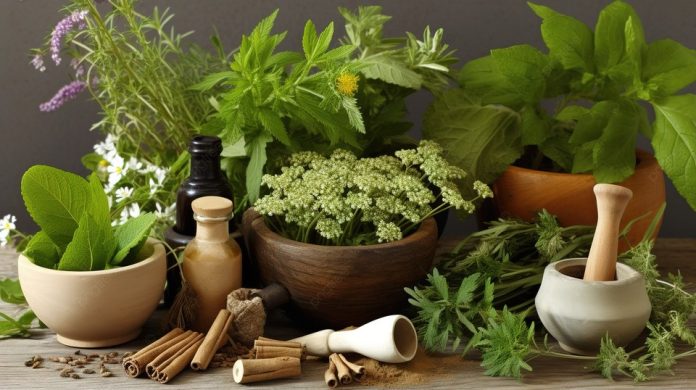
With the increasing prevalence of acute respiratory diseases and the spread of various recommendations regarding the use of medicinal plants, an important question has emerged: Can plants such as thyme, peppermint, ginger, chamomile, borage, and licorice actually treat conditions such as the common cold, influenza, and COVID-19, or do they only help reduce certain symptoms?
Dr. Amir Amani, a faculty member at North Khorasan University of Medical Sciences, emphasized that even for plants with stronger scientific evidence, self-medication is not recommended.
Dr. Amir Amani, a faculty member of North Khorasan University of Medical Sciences and a Ph.D. holder in Pharmaceutics, emphasized that the term “herbal” does not necessarily mean harmless. Some medicinal plants may help reduce certain symptoms of respiratory diseases; however, they should not be considered substitutes for medical diagnosis and treatment.
He added that in diseases such as the common cold, influenza, and COVID-19, some herbal products may be used as supportive treatments to relieve symptoms. This applies only when a physician determines that the condition does not require specific treatments, antibiotics, or special medical interventions, and symptomatic treatment is sufficient.
Thyme: One of the Medicinal Plants with Significant Scientific Evidence
Referring to thyme as one of the commonly used plants for respiratory problems, Professor of Pharmaceutics Dr. Amani stated that there is acceptable scientific evidence supporting the complementary use of thyme in some cases of cough and upper respiratory tract infections, and it may play a role in symptom control.