

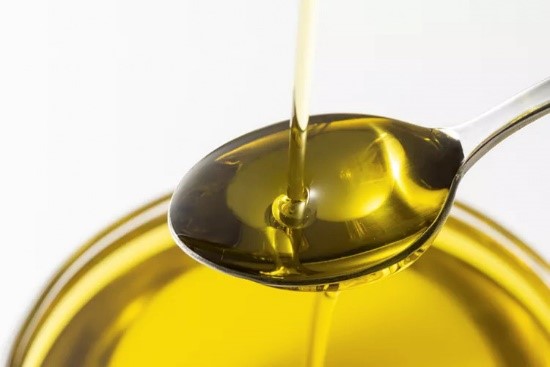
Olive Oil and Blood Pressure: Three Potential Pathways Supporting Heart Health
Extra virgin olive oil, due to its high content of beneficial compounds such as unsaturated fats, particularly monounsaturated fatty acids, as well as polyphenols, is considered one of the key components of dietary patterns associated with cardiovascular health. Scientific evidence suggests that regular consumption of extra virgin olive oil may help maintain blood pressure within a healthy range and provide supportive benefits for heart health alongside other lifestyle factors.
Consuming an appropriate amount of olive oil daily, such as one tablespoon, may provide greater benefits when it is used as a replacement for saturated fats, including certain animal fats and less beneficial dietary oils. In fact, the potential cardiovascular benefits of olive oil are not only related to adding it to the diet, but also to replacing less healthy sources of fat with this healthier alternative.
The quality and consistency of olive oil consumption are also important factors. High-quality extra virgin olive oil obtained from reliable producers generally retains higher levels of bioactive compounds such as polyphenols. Using this type of olive oil in salads, cooked meals, and daily nutrition can help individuals benefit from its potential health properties.
Scientific studies suggest that olive oil may influence blood pressure and cardiovascular function through several potential mechanisms:
Reducing Oxidative Stress:
One possible pathway through which olive oil may contribute to cardiovascular health is by reducing oxidative stress in the body. Maintaining a balance between free radicals and antioxidants plays an important role in protecting cells. Polyphenols present in extra virgin olive oil may help protect cells against damage caused by oxidative processes through their antioxidant activity.
Improving Endothelial Function:
The endothelium, the inner lining of blood vessels, plays a critical role in regulating vascular contraction and relaxation. Bioactive compounds found in extra virgin olive oil may support endothelial function, contributing to improved blood vessel performance and better regulation of blood flow.
Supporting Blood Vessel Relaxation and Flexibility:
Some studies indicate that active compounds in olive oil may help reduce arterial stiffness and improve the flexibility of blood vessels. Reduced vascular contraction and improved ability of blood vessels to relax may contribute to maintaining blood pressure within a healthy range.
Despite available evidence regarding the potential benefits of olive oil for cardiovascular health, it should be noted that olive oil is not a substitute for medical treatments or prescribed medications for hypertension. Blood pressure management requires a comprehensive approach, including a balanced diet, regular physical activity, weight control, reduced salt intake, and adherence to medical recommendations.
Overall, extra virgin olive oil can be considered a supportive component of a healthy dietary pattern, particularly diets rich in plant-based foods, and may contribute to maintaining cardiovascular health.